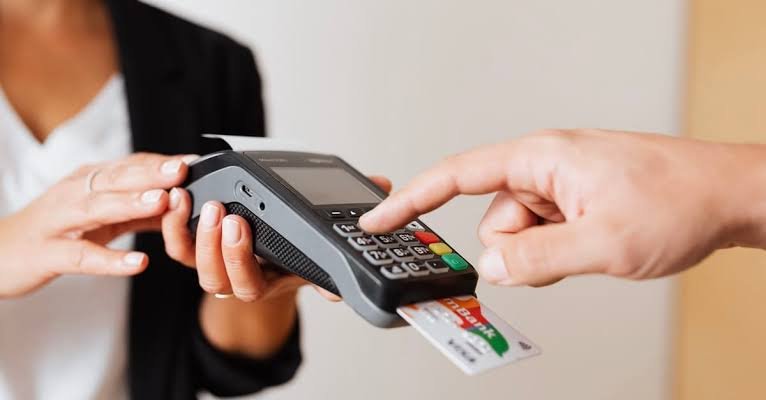
Whether someone is shopping at a supermarket, paying at a restaurant or purchasing something from a retail store, electronic payments have become a familiar part of everyday life. Customers can often complete transactions using debit cards, credit cards or supported digital wallets without handling cash.
Behind these transactions is a process known as POS payment. Understanding how it works can help customers and business owners become more familiar with modern payment systems.
What Is POS Payment?
POS stands for Point of Sale. It refers to the place or system where a customer completes a purchase and makes a payment.
A POS payment takes place when a customer uses an accepted electronic payment method at a merchant’s checkout point. The payment is processed through a terminal or integrated payment system, which communicates with the relevant payment network and financial institutions.
For businesses, a POS machine provides the equipment needed to accept supported electronic payments. These devices are commonly found in retail shops, restaurants, hotels and service-based businesses.
How Does a POS Transaction Work?
Although the process may appear almost instant to customers, several steps take place behind the scenes.
Step 1: The Purchase Amount Is Entered
The cashier enters the total amount due into the terminal or connected billing system.
Step 2: The Customer Selects a Payment Method
The customer chooses an accepted method, such as inserting a card, tapping a contactless card or using a supported digital wallet.
Step 3: The Transaction Is Sent for Authorisation
The terminal securely transmits the required transaction information through the payment processing network for verification.
Step 4: The Payment Is Approved or Declined
The relevant financial institution checks the transaction and returns an authorisation response. The terminal then displays the result.
Step 5: The Transaction Is Completed
If approved, the merchant receives confirmation and can provide the customer with a receipt, either digitally or in printed form.
Different Ways to Make POS Payments
Modern payment terminals can support several payment methods depending on their capabilities and provider.
- Chip-based card payments: Customers insert their debit or credit card into a compatible terminal.
- Contactless payments: Customers tap a supported card near the terminal to initiate a transaction.
- Mobile wallet payments: Customers use compatible smartphones or wearable devices to make payments through digital wallets.
- Magnetic stripe payments: Some terminals support card swiping, depending on the card and payment requirements.
Contactless technology commonly uses Near Field Communication (NFC), which allows compatible devices to exchange payment information over a short distance.
Why POS Payments Matter for Businesses
Accepting electronic payments gives businesses more flexibility at checkout. Customers can choose from different supported payment methods, while merchants can maintain electronic records of completed transactions.
For retailers and small businesses, a suitable POS machine can also help organise payment activity and make transaction verification easier.
However, businesses should consider device compatibility, transaction fees, connectivity, security requirements and settlement processes before selecting a payment setup.
Understanding Payment Security
Security is an important part of electronic transactions. Customers should avoid sharing their PINs, protect their cards and review transaction notifications. Merchants should use properly supported payment terminals and follow recognised security standards to protect payment information.
Businesses should also understand how refunds, reversals and declined transactions are handled so they can respond to customer queries clearly.
The Role of POS Payments in Everyday Transactions
Digital payments are now part of many everyday business interactions. From small retail purchases to restaurant bills, they provide an alternative to cash and offer customers greater flexibility.
Understanding how POS payment systems work helps merchants make informed decisions about accepting electronic transactions. With suitable equipment, clear payment procedures and appropriate security practices, businesses can create a more convenient checkout experience for their customers.