Grocery bills have quietly crept up over the past couple of years, and most of us barely noticed until we compared this month’s total to last year’s. If you’re looking for genuine, doable ways to save money on groceries, skip the extreme coupon-hoarding advice — most of it doesn’t apply well to how Indian households actually shop.
I used to grocery shop hungry, on a whim, usually after work. My bills were consistently 20% higher those months. Turns out that’s not a coincidence.
Plan Meals Before You Shop, Not After
Direct answer: Planning your weekly meals before making a grocery list reduces impulse purchases significantly, since you’re buying with a clear purpose instead of wandering the aisles deciding what looks good.
Even a rough plan — not a rigid, colour-coded meal calendar — cuts down on the random extra items that quietly inflate your bill.
Buy Seasonal Produce
Off-season vegetables and fruits cost noticeably more, sometimes double, because they’re often transported from farther away or grown in controlled conditions. Seasonal produce is cheaper, fresher, and honestly tastes better too.
- Summer: mangoes, watermelon, cucumber
- Monsoon: corn, bottle gourd, drumstick
- Winter: carrots, peas, spinach, cauliflower
Shopping seasonally isn’t just a savings tip — it naturally pushes you toward more varied, nutritious meals across the year.
Compare Price Per Unit, Not Just the Package Price
A bigger pack looks like a better deal, but not always. Check the price per 100g or per litre printed on the shelf tag before assuming bulk equals cheaper.
Use Local Markets Alongside Supermarkets
Direct answer: Local vegetable markets and neighbourhood kirana stores are often 15-30% cheaper than large supermarket chains for fresh produce, since they cut out several layers of distribution and packaging costs.
Supermarkets are convenient, sure, but for fresh vegetables and fruits specifically, the local sabzi mandi usually wins on price without much quality trade-off.
Don’t Underestimate the Power of a Written List
This sounds almost too simple to mention, but it consistently works. A written or app-based list, made before you’re standing in the store, cuts impulse buys dramatically. Supermarkets design their layouts specifically to encourage wandering — don’t give them the chance.
Buy Non-Perishables in Bulk, But Only What You’ll Use
Rice, dals, oil, and other staples with long shelf lives make sense to buy in bulk when there’s a genuine discount. But bulk-buying perishables just because they’re “on offer” often ends in wasted, spoiled food — which cancels out any savings entirely.
Cut Down on Food Delivery Disguised as “Groceries”
Quick-commerce apps have blurred the line between grocery shopping and impulsive snacking. Ordering a single missing ingredient at 9 PM through a 10-minute delivery app usually comes with hidden delivery or handling charges that add up fast over a month.
[link to related guide on how to create a budget that works here]
Frequently Asked Questions
Does buying in bulk always save money? Not always — it only helps for non-perishable items you’ll definitely use before they expire; perishables often lead to waste instead of savings.
Are local markets actually cheaper than supermarkets? Generally yes, particularly for fresh produce, since local vendors have lower overhead costs than large retail chains.
How much can a family realistically save on groceries monthly? With consistent planning and list-based shopping, many households report saving anywhere from ₹1,500 to ₹4,000 a month, depending on family size.
Is it worth using grocery delivery apps for regular shopping? They’re convenient for staples, but frequent small “top-up” orders often carry extra charges that add up more than people expect.
Do store loyalty programs actually help save money? Some do offer genuine value, but check if the “savings” are just standard discounts dressed up as loyalty rewards.
Conclusion
Saving on groceries doesn’t require an extreme lifestyle change — mostly, it comes down to shopping with a plan, choosing seasonal produce, and resisting the convenience-driven impulse purchases that quietly inflate every bill. Try planning just next week’s meals before you shop, and track how much that one habit alone changes your total.
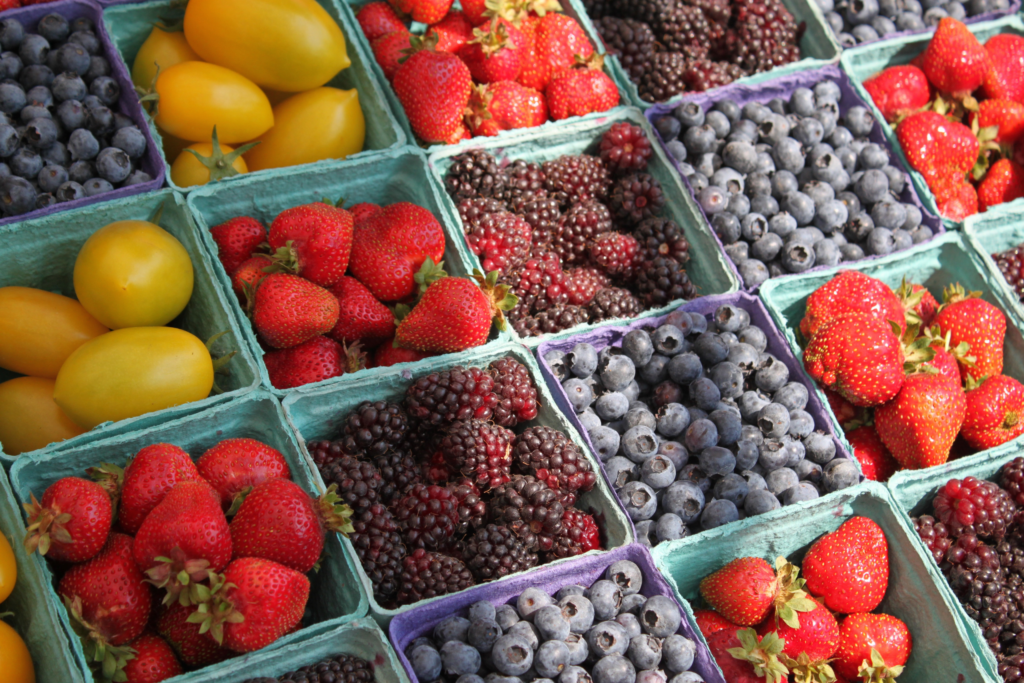
Suggested alt text: “Fresh seasonal vegetables and a handwritten grocery list on a kitchen counter”