Every July, millions of Indians rush through their tax filing in the last week before the deadline. That rush is exactly where the expensive mistakes creep in. Tax filing mistakes to avoid aren’t usually dramatic errors — they’re small oversights that quietly cost people thousands of rupees, sometimes without them ever noticing.
I once forgot to claim HRA for three months because I switched apartments mid-year and didn’t update my rent receipts properly. That single oversight cost me a refund I never got back.
Choosing the Wrong Tax Regime
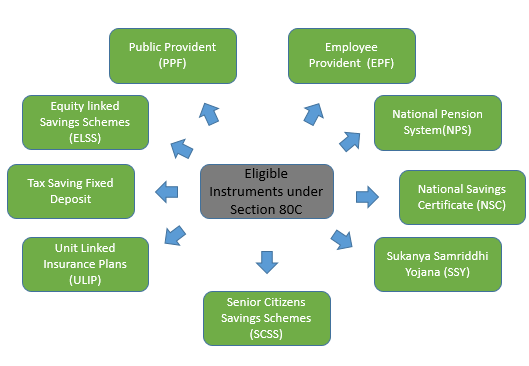
Direct answer: Picking between the old and new tax regime without actually comparing your total deductions can cost you significantly — the old regime benefits people with substantial 80C, HRA, or home loan deductions, while the new regime often suits those with fewer deductions to claim.
Don’t just default to whichever regime your employer set up by default. Run the numbers both ways before filing, especially if your deduction profile changed during the year.
Forgetting to Report All Income Sources
Interest from savings accounts, fixed deposits, and even small freelance payments all need to be reported, even if TDS was already deducted. Many people assume “small” income doesn’t need mentioning — that’s incorrect and can trigger a mismatch notice later.
- Bank savings account interest above ₹10,000
- Freelance or consulting income, even irregular amounts
- Capital gains from mutual funds or stock sales, however small
Not Reconciling Form 26AS and AIS
Direct answer: Form 26AS and the Annual Information Statement show all income and TDS records the tax department has on file for you — failing to cross-check your return against these before filing is one of the most common reasons people receive mismatch notices.
Set aside fifteen minutes before filing specifically to compare these documents against what you’re about to declare. It’s tedious, but it prevents a notice arriving months later.
Missing Deduction Proofs and Documentation
Claiming a deduction without keeping the supporting proof is asking for trouble if you’re ever selected for scrutiny. Rent receipts, insurance premium payment proofs, investment statements — keep digital copies of everything for at least six years.
Filing Under the Wrong ITR Form
Using ITR-1 when you actually have capital gains income, or when you hold foreign assets, is a mistake that can get your return marked defective. Double-check which form applies to your specific income situation before submitting.
Ignoring the Deadline Penalty Structure
Late filing isn’t just an inconvenience — it comes with a real financial penalty, plus interest on any unpaid tax. Filing even one day after the deadline can mean losing the ability to carry forward certain losses to future years.
Picture a freelance graphic designer in Chennai who had capital losses from stock trading that year. Filing late meant she couldn’t carry those losses forward to offset future gains — a mistake that cost her real money down the line.
[link to related guide on tax saving under Section 80C here]
Frequently Asked Questions
What happens if I file my taxes late? You’ll typically face a late filing fee, interest on any outstanding tax, and potentially lose the ability to carry forward certain losses to future years.
Do I need to report income if TDS was already deducted? Yes, TDS deduction doesn’t remove the requirement to report that income in your return; it’s simply a credit against your total tax liability.
Can I switch tax regimes every year? Salaried individuals can generally switch between regimes each year, though those with business income have more restrictions on switching frequency.
What if I made a mistake after already filing? You can typically file a revised return within the specified timeline to correct errors, so a mistake isn’t necessarily permanent.
Is it necessary to hire a CA for tax filing? Not always — straightforward salaried returns can often be filed independently, but complex income sources like capital gains or foreign assets benefit from professional help.
Conclusion
Most tax filing mistakes aren’t about dishonesty — they’re about rushing, or not double-checking documents that genuinely matter. Reconciling your Form 26AS, choosing the right regime deliberately, and keeping proof of every deduction claimed are small habits that save real money and real stress. Give yourself more than the last weekend before the deadline this year.
Suggested alt text: “Person reviewing tax documents and Form 26AS on a laptop before filing”